
A risk assessment tool is a structured resource, technique, or software designed to support organisations in the United Kingdom in identifying, evaluating, and prioritising potential hazards within systems, processes, or business activities. Such tools help facilitate a consistent approach to recognizing risks across multiple contexts, making it possible to mitigate or manage those risks in compliance with local regulations and industry norms. These resources often incorporate standardised criteria to ensure hazards—whether physical, operational, or environmental—are addressed systematically.
Utilising a risk assessment tool may enable organisations to improve transparency and accountability in safety, environmental, and operational practices. Whether deployed as a spreadsheet, dedicated software, or formalised methodology, the core aim is to reveal factors that could threaten people, assets, or operations. The approach typically involves categorising risks by likelihood and impact, and then developing prioritised actions for control or mitigation.

Each of these examples addresses risk from a different perspective. The Health and Safety Executive method provides a regulatory foundation for UK workplaces. Dedicated risk software, such as AssayCloud, may increase efficiency and provide automated tracking and analysis. Broader methodologies like Enterprise Risk Management allow organisations to embed risk management practices into their entire operational framework.
In the context of the United Kingdom, legal requirements shape how risk assessments must be performed, particularly in sectors such as construction, healthcare, and education. The use of a recognised tool or approach can assist in meeting obligations under regulations such as the Management of Health and Safety at Work Regulations 1999. Customisation options within these tools may enable adaptation to specific workplace hazards or operational contexts.
Many risk assessment tools offer features such as automated hazard libraries, reporting templates, and integration with compliance systems. For instance, software solutions might provide role-based access and real-time updates, assisting teams in collaborating and maintaining up-to-date records. Methodologies often require a process of regular review and re-assessment to address new or evolving risks.
Risk assessment tools can also facilitate communication across departments and improve documentation. In highly regulated industries within the UK, maintaining a clear audit trail and consistent process is typically seen as essential for inspections or in the event of incidents. These resources are not only about compliance but may help foster a proactive safety culture.
In summary, risk assessment tools in the United Kingdom provide structured ways for organisations to systematically unveil, understand, and manage potential hazards. The next sections examine practical components and considerations in more detail.
Key components of risk assessment tools often reflect core regulatory requirements within the UK. These components may include hazard identification modules, risk scoring matrices, action planning features, and reporting capabilities. By providing predefined templates and workflows, many tools ensure that key stages of risk assessment, such as listing hazards and determining those at risk, are not overlooked in busy operational environments.
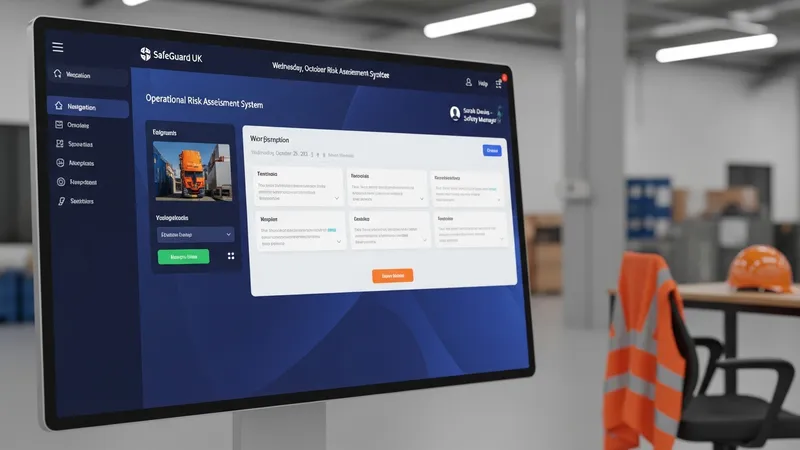
Hazard identification is typically at the centre of any risk assessment process. Tools may present checklists or prompts based on industry or work activity, which can standardise the assessment across teams. In UK contexts, prevalent hazards might include manual handling, slips, trips, falls, and exposure to harmful substances, all of which require effective identification and management strategies using tailored assessment forms or digital input fields.
Another key element is the risk evaluation or scoring feature. This part assigns likelihood and impact values to each identified hazard, producing a risk score that guides prioritisation. UK tools often use numeric or colour-coded matrices, making it easier to visualise which hazards require urgent attention and which may be monitored over time. This helps organisations allocate resources proportionally.
Finally, documentation and review functions are integral. Tools in the UK commonly feature audit trails, versioning, and the ability to attach supporting evidence such as photographs or policies. These records support compliance with inspection requirements and may help demonstrate due diligence if incidents occur. Regular scheduled reviews ensure that assessments remain relevant and up to date as workplace conditions change.
There are several commonly referenced benefits associated with the use of risk assessment tools across the United Kingdom. One primary advantage is the standardisation of assessment processes, which can help reduce variability and human error. By using set templates and clear scoring systems, organisations can establish a baseline for comparing risks across different sites or departments.

Digital risk assessment solutions may improve efficiency in managing, updating, and communicating assessments. Instant access to centralised records and automated notifications for required reviews or overdue actions can help ensure ongoing compliance. Software often allows for real-time input, which can be particularly useful in environments where risks may change frequently, such as in construction or event management.
Despite the potential positives, some limitations should be acknowledged. Not all hazards may be readily captured by standardised assessment templates, so there may be a need for manual adjustment or additional investigation. Over-reliance on automated scoring could sometimes lead to misclassification of complex or emerging risks, particularly in dynamic operational settings within the UK.
Another consideration is cost and accessibility. While methodologies like the HSE Five Steps are available without charge, enterprise software solutions involve licensing fees and may require staff training. Smaller businesses or organisations with limited digital infrastructure might face barriers to fully implementing these systems, and may rely more heavily on traditional paper-based methods or simpler electronic templates.
In the United Kingdom, risk assessment requirements are deeply influenced by legislative frameworks. The Management of Health and Safety at Work Regulations 1999 sets out the obligation for workplaces to conduct “suitable and sufficient” assessments of health and safety risks. Failure to meet these requirements may result in penalties or enforcement notices from regulatory bodies such as the Health and Safety Executive (HSE).
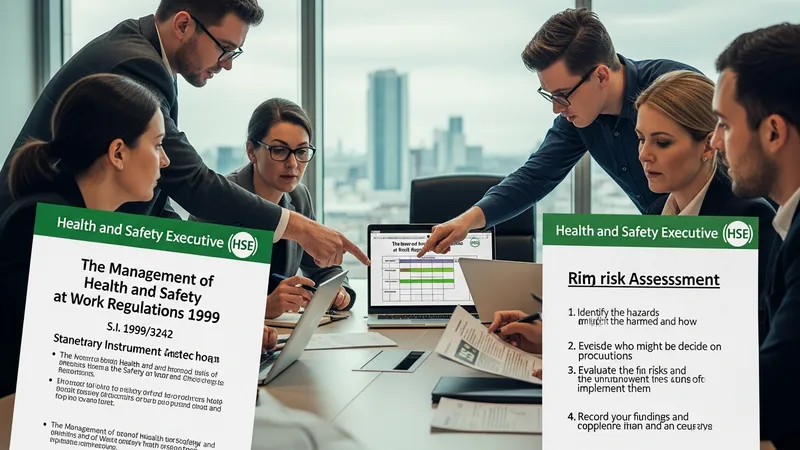
Risk assessment tools often integrate legal provisions, ensuring steps such as hazard identification, evaluation of risk, and implementation of controls are followed as outlined by UK authorities. For example, the HSE Five Steps to Risk Assessment specifically mirrors statutory guidance, making it a reference point for many UK businesses.
Sector-specific regulations may introduce further requirements. Healthcare, construction, and other industries often have additional statutory duties, such as the Control of Substances Hazardous to Health (COSHH) Regulations 2002 or the Construction (Design and Management) Regulations 2015, which demand tailored risk assessments. Risk assessment tools may include industry modules to support compliance with these specialised frameworks.
Documentation is a significant aspect of regulation. Risk assessments must usually be documented, reviewed regularly, and kept accessible for inspection. Tools that offer robust recordkeeping and reporting features may help organisations demonstrate conformity with UK legislation, particularly during regulatory audits or following workplace incidents.
Risk assessment tools in the United Kingdom are evolving as technology and regulatory expectations advance. New software platforms increasingly incorporate data analytics, machine learning, or integration with incident management systems. These developments may help organisations identify trends, predict emerging risks, and respond more proactively to changing conditions in the workplace.

Another trend is the move towards mobile and cloud-based solutions. Mobile-enabled risk assessment tools can support remote and on-site data entry, which is useful in sectors such as retail, construction, or logistics. Cloud-based systems often facilitate centralised storage and real-time collaboration, potentially aligning with flexible and hybrid working models common in the UK.
Increasing emphasis is being placed on user experience and customisation. Tools are being designed with more intuitive interfaces and configurable templates to suit diverse operational requirements. Some solutions now allow integration with existing compliance or HR platforms, supporting wider business management needs beyond risk assessment alone.
Anticipating ongoing regulatory changes, many risk assessment tool providers may update their offerings to align with future UK legal requirements, international standards, or sector-specific guidelines. This adaptability may become a core feature, helping organisations in the United Kingdom keep pace with the landscape of workplace risk management while maintaining compliance.