
Roof renovation contractors coordinate the planning and execution of roof upgrades by following a sequence of assessment, decision-making, permitting, and on-site work. The concept centers on structured steps: an initial condition assessment, selection of materials and methods compatible with the existing structure and local climate, verification of required permits and code compliance, cost estimation and scheduling, and on-site coordination with trades and inspections. This approach emphasizes clear documentation and staged activities so contractors and homeowners can align on scope, timing, and regulatory obligations without prescriptive recommendations.
In practice, contractors may use standardized inspection checklists, material performance data, and municipal permit processes to shape the project plan. Planning often includes contingency allowances for hidden damage that can be revealed during tear-off, coordination with local inspectors, and safety planning that follows federal and state workplace rules. The concept is process-focused: it describes how sequence and information flow can support a roof upgrade while accommodating regional requirements and building code references commonly used across the United States.
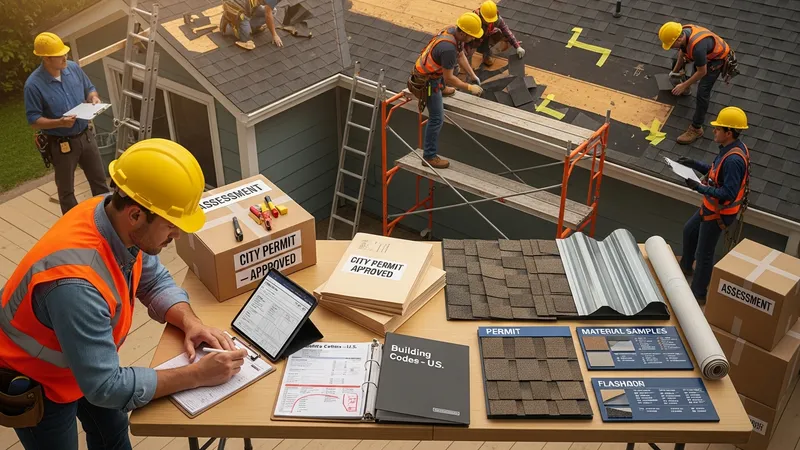
Roof assessment and diagnostic methods often inform scope and budget. Visual inspection can identify obvious damage at shingles, flashing, and gutters, while infrared thermography and moisture meters may reveal concealed wet or deteriorating deck materials. In the United States, contractors may reference guidance from professional associations when documenting findings. Assessment results typically determine whether a partial repair, overlay, or full tear-off is appropriate, and they may influence required permit categories in many jurisdictions. Accurate documentation can reduce later disputes and may be requested by local building officials during plan review.
Material categories vary in lifecycle characteristics and installation technique. Asphalt shingles commonly found on U.S. homes may often provide service for around two to three decades under typical conditions, while metal roofing systems often have longer design lives but different attachment methods. Single-ply membranes are used on low-slope roofs and have distinct detailing needs at penetrations and edges. Material selection may be influenced by climate zone, energy considerations, and roof pitch, and contractors often present options without prescribing a single solution, explaining trade-offs in longevity, weight, and maintenance.
Permitting and code review are procedural components that may affect schedule and design. Many U.S. municipalities require a building permit for roof replacements exceeding certain thresholds or for structural alteration. Contractors typically submit a scope description, product specifications, and sometimes engineered details to the local building department. Building departments may reference the International Residential Code or local amendments when reviewing plans. Lead times for permit issuance and required inspection points during the project can affect sequencing; contractors often plan contingencies around these administrative timelines.
Budgeting and scheduling in roof upgrades often account for variable factors such as tear-off complexity, disposal fees, and potential deck repairs. As a general illustration, a typical asphalt shingle replacement for a 1,500–2,000 sq ft single-family dwelling in the United States may often be estimated in the range of $5,000 to $12,000, depending on region, material grade, and labor rates; metal or specialty roofing systems may often carry higher typical ranges. Contractors usually build schedules that align crew availability, material delivery windows, and inspection appointments to manage on-site workflow and minimize weather exposure risks.
Planning also involves safety and quality-control procedures that apply throughout the project lifecycle. U.S. federal and state workplace regulations, such as fall protection standards administered by OSHA, often inform on-site safety planning and protective systems. Quality control may include staged inspections of flashing, underlayment, and fastener patterns before final coverings are applied, with photographic records kept for client files and potential warranty documentation. The emphasis is on systematic checks rather than prescriptive measures so stakeholders have a clear project record.
Overall, the concept describes a coordinated, documentation-driven approach used by roof renovation contractors to manage technical, regulatory, and logistical aspects of a roof upgrade. It blends diagnostic steps, material and code considerations, budgeting, scheduling, and safety planning into a sequence that may reduce surprises and support compliance with local building authorities. The next sections examine practical components and considerations in more detail.
Permitting and regulatory review typically occupy an early position in contractor planning and may shape several design choices. In many U.S. jurisdictions, a building permit is required for full roof replacements or when structural members are altered. Contractors often reference the International Residential Code as adopted or amended locally; the International Code Council provides resources at ICC. Permit applications commonly include scope statements, product data sheets, and sometimes engineered drawings for complex roof systems. Anticipating permit review times and required inspections can help align project milestones with municipal timelines.

Local ordinances and historic district requirements can introduce additional review steps that affect material choices and installation methods. For example, some municipalities have design review boards or specific material limitations that address visible roof finishes. Contractors may need to coordinate with local planning staff to confirm allowable materials or color palettes. Understanding whether the home falls within such regulated areas may affect lead time for approvals and selection of materials that meet both code and community standards without making prescriptive recommendations.
Contractors often document compliance by maintaining a record of submittals, receipts for specified materials, and inspection reports from municipal authorities. These records can streamline final sign-off and support future property transactions where proof of permitted work is requested. Where energy or ventilation requirements apply, such as attic ventilation strategies referenced in building codes, contractors may note compliance measures for plan reviewers. This documentation-focused approach aims to reduce administrative delays while aligning with U.S. building enforcement practices.
When work may be affected by local stormwater or waste disposal regulations, contractors may include disposal manifests or landfill receipts in project records. Some areas may require erosion-control measures during construction, and municipalities may charge permit or inspection fees that should be anticipated in planning. Considering these regulatory and administrative elements early in the project may help contractors and owners set realistic timelines and allocate resources for compliance checks rather than relying on ad-hoc adjustments.
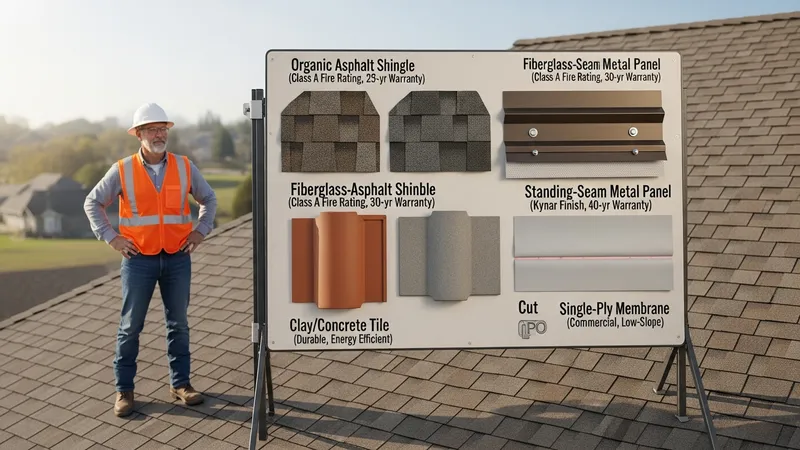
Material selection is a technical step that commonly follows assessment findings and permit considerations. Contractors typically present materials by category—organic or fiberglass-asphalt shingles, metal panels, clay or concrete tiles, or single-ply membranes for low-slope roofs—and outline expected performance characteristics. In the United States, material choices may be influenced by regional climate: coastal areas may require corrosion-resistant fasteners for metal roofs, while northern climates may emphasize ice and water barrier detailing. Reference information may be available from manufacturer data sheets and trade organizations such as the National Roofing Contractors Association at NRCA.
Durability expectations are presented as typical service intervals rather than guarantees. Asphalt shingles often have service expectations that may range from about 20 to 30 years under typical conditions, while metal roofing materials may have longer manufacturer design lives in many cases. Installation details—such as underlayment type, ventilation provision, and flashing methods—can influence real-world performance. Contractors may highlight how specific accessory choices, such as ridge ventilation systems or ice and water barriers, can interact with the selected roofing material without prescribing a single optimal assembly.
Thermal and energy considerations sometimes affect material discussions. Lighter-colored or reflective metal roofs can reduce heat absorption in warm climates, and some single-ply membranes are designed with reflective surfaces that may contribute to lower attic temperatures. U.S. federal resources on energy-related roofing considerations are available from the Department of Energy at energy.gov. Contractors and homeowners may weigh such energy aspects alongside maintenance, weight, and local code compatibility when selecting products.
Compatibility with existing roof structure and attachment methods is a practical concern. Some materials are heavier and may require verification of roof framing capacity or additional structural reinforcement, which can change project complexity. Contractors often document substrate conditions and may recommend further evaluation by a structural professional when substantial changes are proposed. These considerations tend to influence both material selection and overall project planning rather than serving as prescriptive guidance.
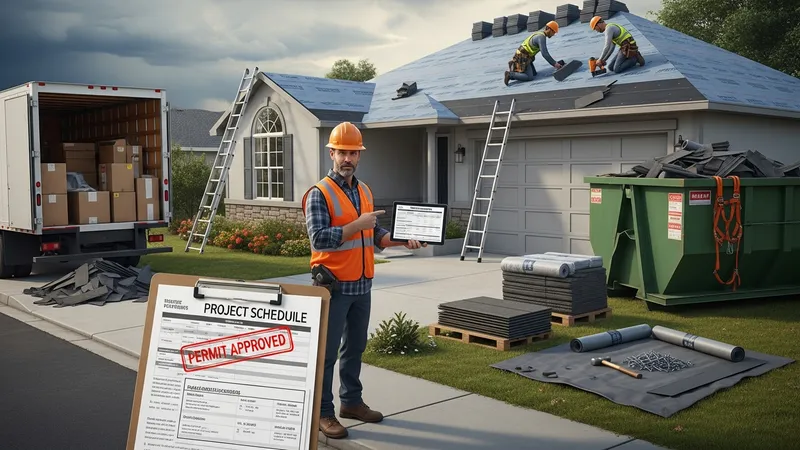
Budgeting and scheduling are intertwined tasks that commonly reflect regional labor rates, material availability, and permitting lead times. In the United States, labor and material costs can vary significantly by state and metropolitan area; contractors may therefore provide ranges rather than fixed prices. For example, an asphalt shingle replacement on a mid-sized single-family home may often be estimated in the low thousands to mid-teens of thousands of dollars depending on factors such as roof complexity, tear-off needs, and local disposal costs. Estimates typically include allowances for potential deck repairs discovered during the process.
Scheduling considerations include weather windows, crew availability, and inspection appointments. Contractors often plan around seasonal patterns in their region—such as avoiding major tear-offs during winter months in colder states or timing work outside of peak storm seasons in coastal areas. Delivery lead times for specialty materials or custom metal flashings may also influence the start date. Building schedules that account for such variables can help set realistic timelines rather than promising specific completion dates.
Coordination with subcontractors and trades is a frequent planning element for complex roof projects. Work such as chimney repairs, skylight replacement, or solar panel removal and reinstallation may require sequencing with masonry contractors, window specialists, or renewable energy installers. Contractors commonly document scopes for each trade and include coordination notes in the project schedule. Clear sequencing can reduce on-site conflicts and may help manage costs associated with rework or inefficient scheduling.
Contingency planning is an informational consideration rather than a directive. Many contractors include contingency allowances for unforeseen conditions like extensive rot, mold remediation, or structural repairs revealed after tear-off. These contingencies are often expressed as percentage allowances or specific line items in a project estimate and may be adjusted when hidden conditions are confirmed. Including such contingencies in a plan helps align expectations about potential changes to scope, schedule, and cost without implying certainty about outcomes.
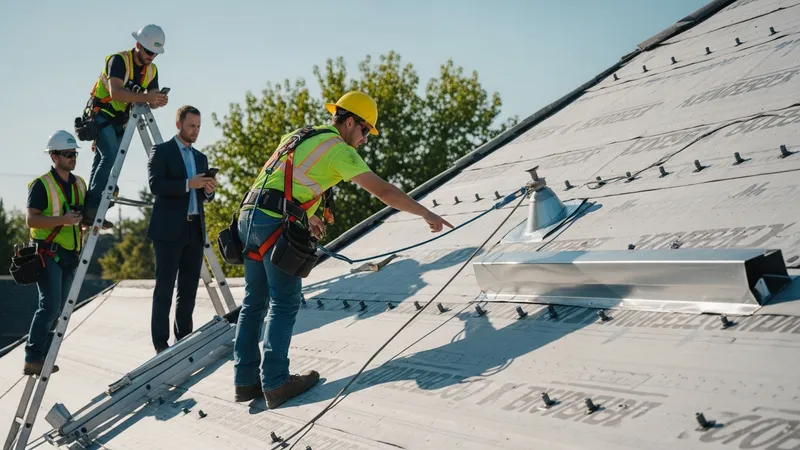
Safety protocols and inspection regimes commonly form an integral part of project management for roof renovation contractors. U.S. federal occupational safety standards, such as fall protection requirements administered by the Occupational Safety and Health Administration, often inform on-site safety practices; see OSHA fall protection guidance. Contractors frequently document safety plans, fall-arrest system usage, ladder procedures, and training records to align with regulatory expectations and reduce incident risk. These practices are presented as standard considerations rather than prescriptive mandates.
Quality assurance typically involves staged inspections and documentation of critical installation points. Contractors may perform or schedule checks of underlayment integrity, fastener patterns, flashing terminations, and drainage details before covering assemblies. Photographic records and inspection checklists can serve as objective project records and may be useful for later warranty claims or resale disclosure. Municipal inspections required by permit may also be scheduled at specific milestones to confirm compliance before proceeding.
Post-installation verification and maintenance guidance are often provided as informational follow-up. Contractors may supply a checklist for routine visual inspections, gutter maintenance, and debris removal that can help prolong the installed system’s functional life. Such guidance commonly reflects manufacturer recommendations and regional climatic considerations—for instance, leaf accumulation in temperate zones or salt exposure in coastal areas—without promising specific lifespans or outcomes.
Recordkeeping and final closeout documentation help complete the project lifecycle. Contractors may compile permit final inspection certificates, manufacturer product data, fastening pattern photos, and disposal manifests into a project folder for the owner. These records can be helpful for future maintenance planning and municipal compliance confirmation. Presenting closeout materials in a structured manner is a process matter that supports transparency and traceability rather than serving as a directive on what owners must do.