
Single Touch Payroll (STP) software refers to digital systems designed to facilitate payroll data reporting directly to government authorities as employees are paid. This approach automates the submission of wage, tax, and superannuation data, aiming to streamline regulatory compliance for professionals managing payroll, including tax agents. By leveraging secure online transmission protocols, STP software typically allows for secure, timely, and consistent information sharing, reducing manual paperwork and minimizing common reporting errors.
For tax agents, the adoption of STP software introduces a structured process that can potentially decrease administrative burden associated with payroll reporting. Tax agents often manage payroll on behalf of clients, navigating both legislative requirements and practical workflow demands. With STP software, much of the routine data gathering and transmission may become standardized, supporting improved accuracy and adherence to compliance timeframes.
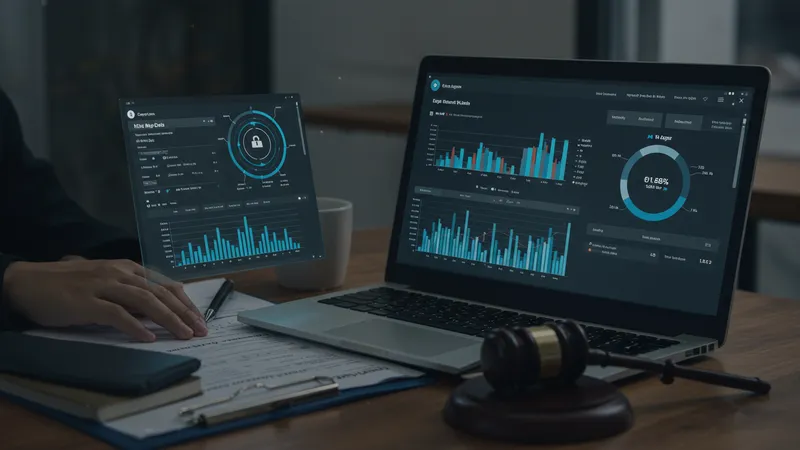
Single Touch Payroll software involves a connection to taxation authorities via secure gateways, commonly using encrypted data channels to ensure personal payroll data is protected. Tax agents utilizing these tools may find that the ability to generate real-time payroll event submissions can reduce delays sometimes associated with end-of-period reporting. While STP platforms do not eliminate the need for verification, their digital nature can assist with automated checks and flagging of inconsistent data.
Many STP systems adopt a dashboard-driven interface, enabling tax agents to monitor the payroll status for multiple clients in a single view. A key feature may include historical payroll records, regular reminders for reporting deadlines, and detailed audit trails for compliance review. In this context, STP tools are adapted to professional use where oversight and documentation play a vital role.
Tax agents frequently encounter evolving regulations, particularly in payroll and tax reporting. STP software can be updated centrally by providers when legislative changes occur, which supports agents in maintaining ongoing compliance. This digital responsiveness may reduce time spent researching regulatory shifts and reconfiguring manual templates.
The integration of STP software within tax agent workflows also intersects with client collaboration, record management, and third-party auditing. By generating standardized payroll records, these systems may aid in clear communications with both clients and authorities. However, tax agents are often advised to review and cross-check automatic submissions to ensure they meet specific client and regulatory expectations.
In summary, Single Touch Payroll software represents a method for tax agents to electronically manage, prepare, and file payroll-related information. The examples outlined demonstrate variations in platform approach and pricing, but all share the goal of streamlining the reporting process. The next sections examine practical components and considerations in more detail.
Single Touch Payroll software generally structures the payroll reporting workflow to include initial data entry, review, submission, and confirmation phases. Tax agents typically begin by inputting or importing employee wage, tax, and superannuation data into the software platform. This initial stage may involve checks for completeness, as missing or misconfigured employee information can interrupt the automated reporting chain.

Software validation processes often follow data entry. Most STP platforms incorporate logic to flag discrepancies such as duplicate employee records or misaligned tax codes. For tax agents handling multiple employers or pay cycles, this function can reduce time spent auditing entries manually, although agents may still need to resolve flagged issues before proceeding.
Once validated, payroll batches are transmitted electronically to government authorities. This usually occurs via secure APIs or encrypted digital gateways, consistent with regulatory requirements for data privacy. The software often provides a confirmation or receipt when the submission is accepted, giving tax agents documented assurance of compliance actions for each reporting event.
Tax agents using STP software may also access downloadable confirmation reports after each pay event. These records can assist with internal audits and responding to inquiries from both clients and government bodies. Storage of these records within the STP software environment is typically governed by platform settings and compliance policies, supporting retention and retrieval as required by law.
Data protection is a central aspect of Single Touch Payroll software, particularly given the sensitive nature of payroll information. Many platforms employ encryption protocols both in transit and at rest, offering a technology-driven approach to safeguarding wage, tax file numbers, and superannuation data. Tax agents are generally required to set secure access credentials and, in some cases, may utilize multi-factor authentication for enhanced privacy safeguards.

Compliance with local and international data protection frameworks is another important feature. STP providers typically update their security standards to align with evolving regulatory environments and audit requirements. For tax agents, keeping client data within secure cloud environments can support consistent access controls and monitoring functions, though careful review of contractual terms remains advisable.
User permissions within STP platforms can often be customized to limit or expand access rights according to the tax agent’s internal protocols. For firms managing payroll for several clients or users, this provides a mechanism for oversight and accountability. Logging and activity tracking tools further assist agents in monitoring who has accessed or modified payroll records, offering transparency for internal review or external audit situations.
Third-party certifications, such as compliance with recognized data security standards, may be available for leading STP software products. While such certifications do not guarantee complete data protection, they indicate that the provider adopts industry-recognized practices regarding digital security and privacy. Tax agents may wish to consult official documentation and privacy policies offered by their chosen STP software providers for further clarity on these processes.
The ability to integrate with other business systems is a feature that can influence how tax agents use Single Touch Payroll software. Many STP platforms support connections with accounting, human resources, and timekeeping applications, enabling smoother transfers of payroll-relevant data. Such integrations can reduce redundant data entry, improving consistency and minimizing potential human error in routine payroll cycles.
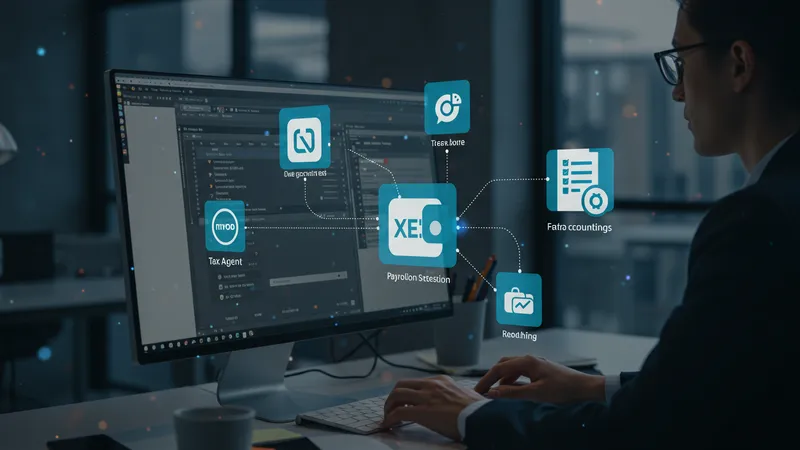
Common integrations include accounting platforms such as QuickBooks Online Payroll, Xero Payroll, and MYOB Essentials Payroll, which are designed to share employee, pay, and tax information seamlessly. For tax agents managing complex or high-volume payroll processing, linking STP with broader business management systems can enhance oversight while potentially reducing manual reconciliation efforts.
Some platforms also offer application programming interfaces (APIs) that allow for custom integrations, supporting tailored workflows according to specific tax agent or client needs. While APIs can introduce additional setup and maintenance considerations, they offer a way to further streamline payroll data handling when off-the-shelf integrations are insufficient.
It is important to note that successful integration depends on compatibility between software platforms, regular updates, and ongoing support from providers. Tax agents may consider reviewing integration documentation and participating in testing phases to ensure reliable data exchange. Many STP providers publish integration guides and support materials to aid in connecting systems and troubleshooting common challenges.
Regulatory compliance is a key driver behind the development and adoption of Single Touch Payroll software for tax agents. These platforms are typically designed to reflect current reporting requirements set by tax authorities, updating submission processes in accordance with changes to employment and income reporting laws. STP software often enables agents to submit data in formats mandated by local regulators, which may vary by jurisdiction and reporting period.
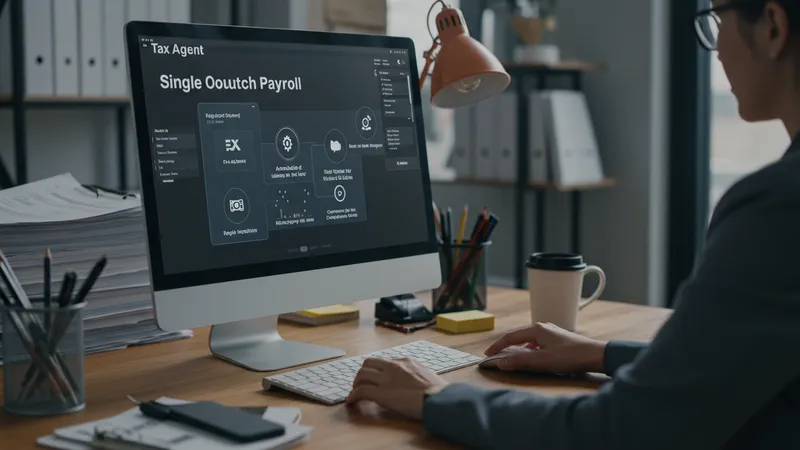
Automated reminders and real-time validation tools built into STP systems can assist tax agents in meeting submission deadlines and identifying incomplete or erroneous reporting before final submission. While these features help maintain compliance, tax agents still retain overall responsibility for reviewing summary information and confirming accuracy prior to transmission to authorities.
Periodic audit trails and historical reporting features are also central to many STP platforms. These tools allow tax agents to access prior payroll events and submission confirmations in support of both routine compliance reviews and special audits. The ability to produce standardized reports from these systems can facilitate communication with clients and regulators.
Looking ahead, the evolution of Single Touch Payroll standards and regulatory frameworks may continue to influence platform capabilities and the workflows of tax agents. Ongoing updates to STP solutions, supported by clear documentation and training from providers, may assist tax agents in adapting to new legislative expectations while maintaining secure and efficient payroll reporting practices.