
Creating and sharing video content is becoming a common approach for small businesses seeking to establish a digital presence. This method involves using engaging visuals, concise messaging, and storytelling to connect with target audiences. Video content can be shared on various platforms, such as social media pages, websites, or digital advertising channels, allowing businesses to communicate with potential and existing customers in a dynamic way. In Hong Kong, the accessibility of high-speed internet and widespread smartphone use have contributed to the increasing popularity of video as a communication tool for small enterprises.
The effectiveness of video marketing is often attributed to its ability to increase visibility and engagement. Viewers may remember video messages more readily than text, and short clips can efficiently explain complex ideas or highlight unique aspects of goods or services. Small businesses in Hong Kong typically consider several factors when planning video strategies, including production costs, platform selection, and content style. Success in this area usually depends on creating credible, relevant material that meets the expectations of local consumers.
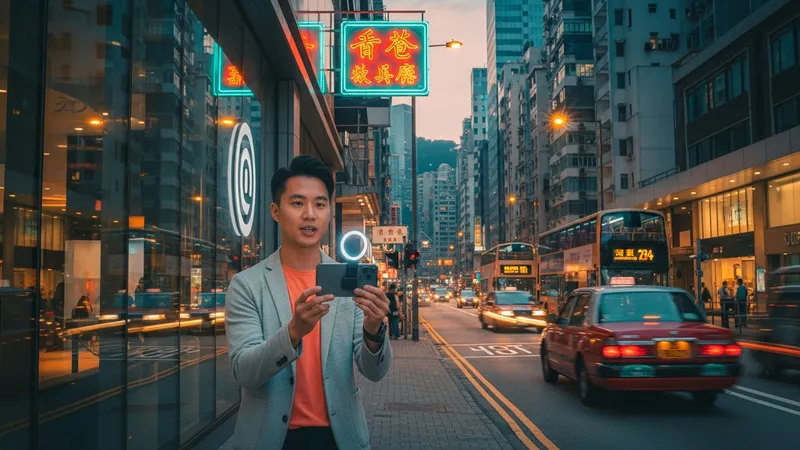
Adopting video marketing frequently involves evaluating budget constraints. Production expenses in Hong Kong can vary, with basic smartphone-recorded content requiring minimal outlay, while professional shoots with editing and voiceovers may reach higher cost brackets. Most small businesses opt for a level that balances expenditure and expected reach, reconsidering production values as their strategy matures.
Platform selection is a significant consideration. Social media services popular in Hong Kong, such as Facebook, Instagram, and YouTube, each cater to different viewer demographics and content styles. Businesses may adapt their approach to meet the technical specifications and audience preferences of each channel, ensuring their material is both discoverable and relevant.
Legal and regulatory frameworks in Hong Kong may also shape video marketing practices. For instance, adherence to advertising standards, data privacy regulations, and licensing for music or images is essential to avoid compliance issues. Many small businesses consult guidelines from the Communications Authority to stay informed about requirements for commercial video distribution.
Clear measurement of results is another focal point. Tools provided by platforms commonly used in Hong Kong enable small businesses to track video engagement, view counts, and audience retention. These analytics help refine ongoing content efforts, offering objective data to guide content adjustments and future investments in the strategy.
In summary, video marketing provides small businesses in Hong Kong with a method to communicate effectively in a saturated digital environment. Practical execution involves selecting suitable formats, adhering to regulations, and consistently evaluating outcomes. The next sections examine practical components and considerations in more detail.
Small businesses in Hong Kong employ a range of video production techniques, each offering distinct advantages depending on the intended audience and messaging goals. Short-form videos of under two minutes are often favored for their ability to hold attention, particularly on mobile devices where brief content is more likely to be watched in full. Brand introductions, customer testimonials, and how-to demonstrations represent formats that frequently resonate with viewers seeking practical information or a closer understanding of a company’s values.
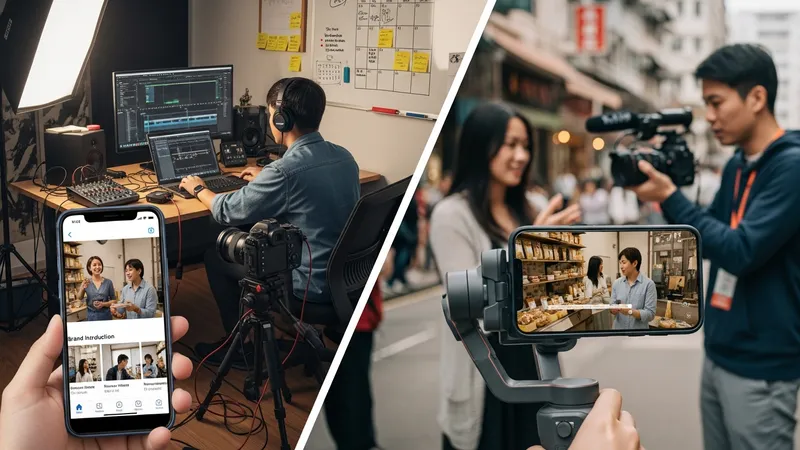
Storytelling remains central to many successful campaigns. Local businesses may draw on personal histories, highlight community involvement, or document day-to-day interactions between staff and customers to create relatable and authentic content. By focusing on real-world examples and locally relevant scenarios, these narratives typically help build trust, which is considered important in Hong Kong’s competitive consumer market.
Animation and motion graphics are increasingly used to explain complex topics or visualize data that might otherwise be challenging to communicate. Animated content can simplify step-by-step guides for products, highlight features, or reinforce brand identity without requiring on-camera presentations. These formats may be particularly useful for small enterprises seeking to differentiate their digital presence with moderate budgets.
User-generated video content is another emerging trend. Some Hong Kong businesses encourage consumers to create their own video reviews or share personal experiences with products, sometimes featuring these contributions on official digital platforms. This approach can facilitate engagement and provide credible references from actual customers, although it is important for businesses to observe local advertising guidelines when curating such material.
Choosing the appropriate platform is an essential aspect of a video marketing strategy. In Hong Kong, popular platforms such as YouTube, Facebook, and Instagram offer distinctive options for targeting and reach. YouTube typically accommodates longer-form content and tutorial series, while Instagram is more suited to visually driven, short-form stories and reels. Facebook presents a balanced space for both video ads and organic engagement, appealing to a broad demographic spectrum within Hong Kong’s urban population.
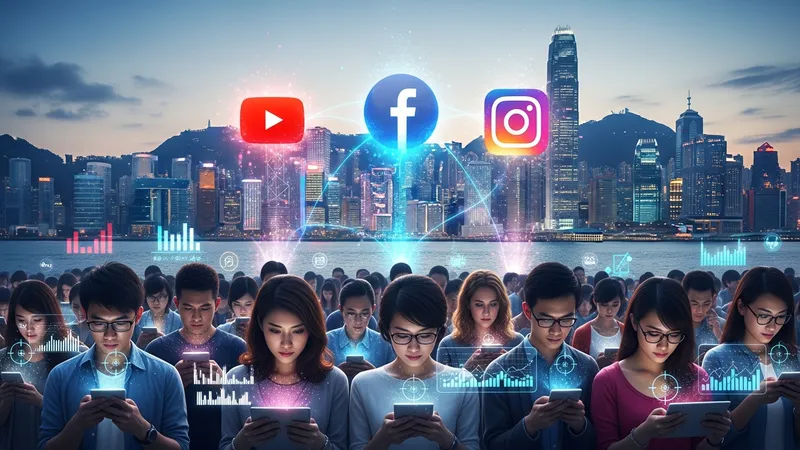
Audience targeting tools on these platforms enable businesses to reach specific groups based on location, interests, and behaviors. By analyzing data on viewer demographics provided by services such as Statista Hong Kong Internet Usage, small businesses can tailor their content’s length, style, and language to reflect the preferences of local consumers. This adaptation may improve retention rates and foster ongoing interaction with viewers.
Interactivity is another facet that characterizes effective video marketing in Hong Kong. Features such as clickable links, polls within videos, and direct-response elements can turn passive viewing into active participation. These interactive elements are often incorporated in conjunction with local promotions or informational series, providing audiences with opportunities to influence future content or ask questions related to products and services.
Businesses also monitor engagement metrics such as total view time, sharing rates, and comment volumes. These data points may reveal which types of videos generate higher interest or repetition, guiding resource allocation for subsequent content production. Regular review of analytics supports continuous optimization and helps businesses remain responsive to changing viewer behaviors.
Regulatory awareness is important for small businesses engaging in video marketing activities within Hong Kong. The Communications Authority sets guidelines pertaining to advertising content, disclosure requirements, and distinctions between editorial and promotional material. Businesses producing video content are expected to comply with these standards, avoiding any misleading or unverifiable claims, particularly regarding products or services.

Data privacy regulations also apply when video campaigns involve collecting or processing viewer information. The Office of the Privacy Commissioner for Personal Data (PCPD) outlines requirements on disclosure, consent, and handling of personal data gathered during engagement or feedback processes. For instance, if a campaign invites consumers to submit video testimonials, businesses must ensure that participants’ consent is properly obtained and stored in accordance with local regulations.
Copyright and intellectual property considerations are central to video marketing strategies. Using copyrighted music, footage, or imagery without permission can result in compliance issues or legal disputes. The Intellectual Property Department of Hong Kong (IPD) provides resources and guidelines for small businesses wishing to use or license third-party creative elements in their videos, helping them avoid inadvertent infringement.
Advertising standards specify the necessity of disclosing any sponsored content or endorsements in marketing videos. For example, if a local small business features an influencer or a paid testimonial in its campaign, it must clearly indicate the commercial relationship, ensuring transparency for viewers. Adhering to such rules supports trust and aligns with established commercial practices in Hong Kong.
Measuring video effectiveness is a critical step that enables small businesses in Hong Kong to assess the impact of their marketing efforts and inform future decisions. Analytics offered by major platforms such as YouTube and Facebook typically provide metrics including watch time, audience retention, and engagement rates. These indicators may reveal which types of content achieve the intended objectives, whether the aim is awareness, engagement, or education.

Conversion tracking can indicate whether viewers take desired actions after watching a video, such as visiting a website or requesting additional information. While direct sales may not always be the outcome, patterns in viewer behavior commonly provide insights into brand awareness or customer interest. Custom tracking links and tags can support more granular analysis, especially for campaigns distributed across multiple digital platforms prevalent in Hong Kong.
Feedback mechanisms also play a role in refining video content. Comments, direct messages, and structured surveys allow small businesses to gather qualitative insights from viewers. This data may be used to adapt video topics, clarify messaging, or adjust the tone to better connect with local audiences, supporting a cycle of continuous improvement in line with evolving consumer preferences.
Reinvestment strategies are informed by performance reviews. Businesses can allocate resources more efficiently by identifying which formats and distribution channels yield higher engagement within the Hong Kong context. Periodic reassessment of goals and outcomes helps ensure that video marketing remains a relevant and effective element of the broader communication strategy.